
As packaging operations continue to evolve toward higher speeds, tighter tolerances, and more automated control, the reliability of equipment operating under thermal stress has become a growing concern. From heat-sealing and drying processes to inspection stages exposed to sustained temperatures, modern packaging systems increasingly rely on materials capable of maintaining stability where conventional components begin to degrade.
This shift is driven not only by rising production demands but also by sustainability goals and efficiency targets that leave little room for unplanned downtime. In high-temperature packaging environments, component selection has become a critical factor in ensuring consistent performance, energy efficiency, and long-term system integrity.
In many automated lines, particularly those involving thermal cycling or electrically sensitive zones, materials such as alumina ceramic tubing for high-temperature environments are frequently employed to provide dimensional stability, electrical insulation, and resistance to wear under continuous heat exposure.
Thermal Challenges Across Packaging Operations
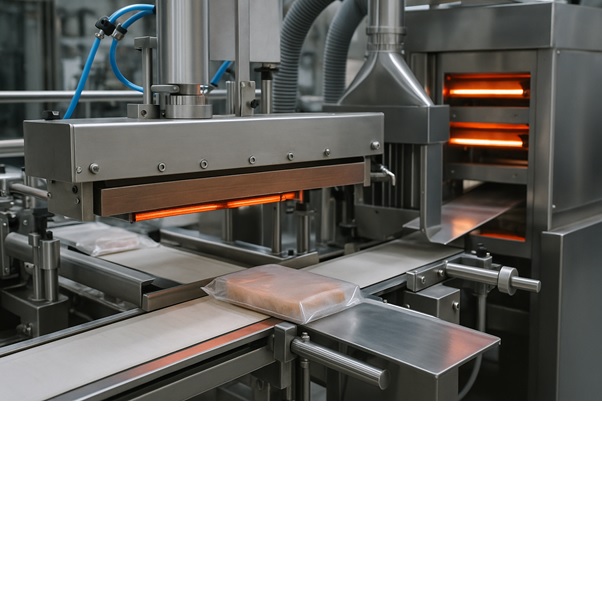
Packaging equipment today must operate across a wide range of thermal conditions. Heat sealing, shrink wrapping, sterilization, and drying processes all introduce sustained or cyclical temperature loads that place stress on mechanical and insulating components. Over time, inadequate materials can lead to deformation, loss of insulation performance, or premature failure.
As production lines become more compact and integrated, thermal loads are often concentrated in smaller zones. This increases the importance of materials that can tolerate heat without compromising precision or safety. Selecting components designed for high-temperature operation helps mitigate these risks while supporting longer maintenance intervals.
Material Performance as a Reliability Enabler
Beyond basic heat resistance, materials used in demanding packaging environments must also offer predictable behavior over long operating cycles. Thermal expansion, electrical insulation stability, and resistance to chemical exposure all influence system reliability.
Advanced ceramic-based solutions are increasingly incorporated into packaging machinery where metals or polymers fall short. Their ability to retain mechanical strength and insulating properties at elevated temperatures makes them suitable for roles such as sensor protection, heater insulation, and support structures within automated systems.
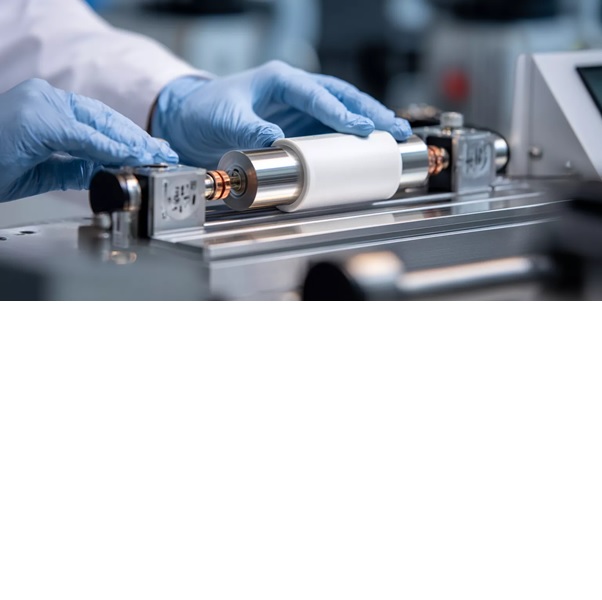
In practice, these applications often align with industrial alumina tube solutions for advanced high-temperature applications, which are integrated into equipment designed to operate reliably under sustained thermal and mechanical stress.
Supporting Sustainability Through Durable Design
While sustainability discussions in packaging often focus on recyclable materials and waste reduction, equipment durability plays an equally important role. Longer-lasting components reduce the frequency of replacement, lower material consumption, and minimize energy losses caused by inefficiencies or breakdowns.
High-temperature-resistant materials contribute indirectly to sustainability by extending service life and improving process stability. Fewer shutdowns and reduced maintenance interventions translate into lower resource use across the equipment lifecycle.
Integration with Automation and Smart Packaging Systems
As packaging facilities move toward greater automation and digital control, the demand for materials that can support sensors, electronics, and precision assemblies under heat exposure continues to grow. Automated inspection systems, data-driven quality control, and high-speed actuation all depend on stable operating environments.
Materials engineered for thermal resilience help maintain accuracy in these systems, ensuring that data integrity and mechanical alignment are preserved even in harsh conditions. This reliability is essential for packaging operations that prioritize consistency and traceability.
Looking Ahead: Reliability as a Competitive Advantage
The future of packaging is shaped not only by innovation in materials and sustainability initiatives but also by the robustness of the systems that bring these ideas to life. As production demands intensify, manufacturers are recognizing that reliability under extreme conditions is no longer optional.
By integrating materials designed for high-temperature performance into critical zones of packaging equipment, operations can achieve greater uptime, improved safety margins, and more predictable outcomes. In an industry where efficiency and precision define competitiveness, material performance has become a foundational element of modern packaging design.